6 Min Read
Choosing the right custom home builder in Middle Tennessee is a decision that shapes not only your home, but your entire building experience. In this guide, you'll learn how to evaluate a builder’s local expertise, design process, craftsmanship, communication style, and reputation.
You’ll also discover essential red flags and what to ask so you can choose the best fit for your custom home project. This guide is packed with all of the information you need to choose your home-building partner.
Here's what we're covering in this blog:
- Step 1: Find a Builder Who Knows the Landscape, Lifestyle, and Building Standards of Middle Tennessee
- Step 2: Evaluate Their Pre-Construction + Design Process
- Step 3: Look for Quality Craftsmanship + Innovation
- Step 4: Evaluate Communication + Transparency
- Step 5: Review Reputation, Testimonials, and Local Experience
- Step 6: What to Ask Before You Hire a Builder
- Red Flags When Choosing a Custom Home Builder in Middle Tennessee
Step 1: Find a Builder Who Knows the Landscape, Lifestyle, and Building Standards of Middle Tennessee
Building in Middle Tennessee comes with unique opportunities and challenges. The right builder deeply understands this environment and knows how land, climate, and architecture work together to shape a durable, well-designed home.
Why Local Knowledge Matters
Middle Tennessee’s diverse terrain directly influences design, cost, and construction methods.
A qualified builder should confidently help you evaluate soil conditions, drainage patterns, utility access, zoning requirements, and how the home should sit on the lot for natural light, privacy, and long-term livability.
These insights protect you from unexpected expenses and ensure your home is truly suited to your property.
What Strong Local Expertise Looks Like
A skilled Tennessee builder brings more than technical know-how. They bring relevant experience.
Look for a builder with a custom home portfolio, familiarity with high-end materials, and the ability to deliver precise craftsmanship suited to the region’s climate.
Thinking Ahead for Long-Term Performance
Local expertise also means anticipating challenges: seasonal soil movement, heavy rains, drainage behavior, sun orientation for energy efficiency, and the realities of building on rural lots. Builders who proactively address these factors are far more likely to deliver a home that performs beautifully for decades.
Step 2: Evaluate Their Pre-Construction + Design Process
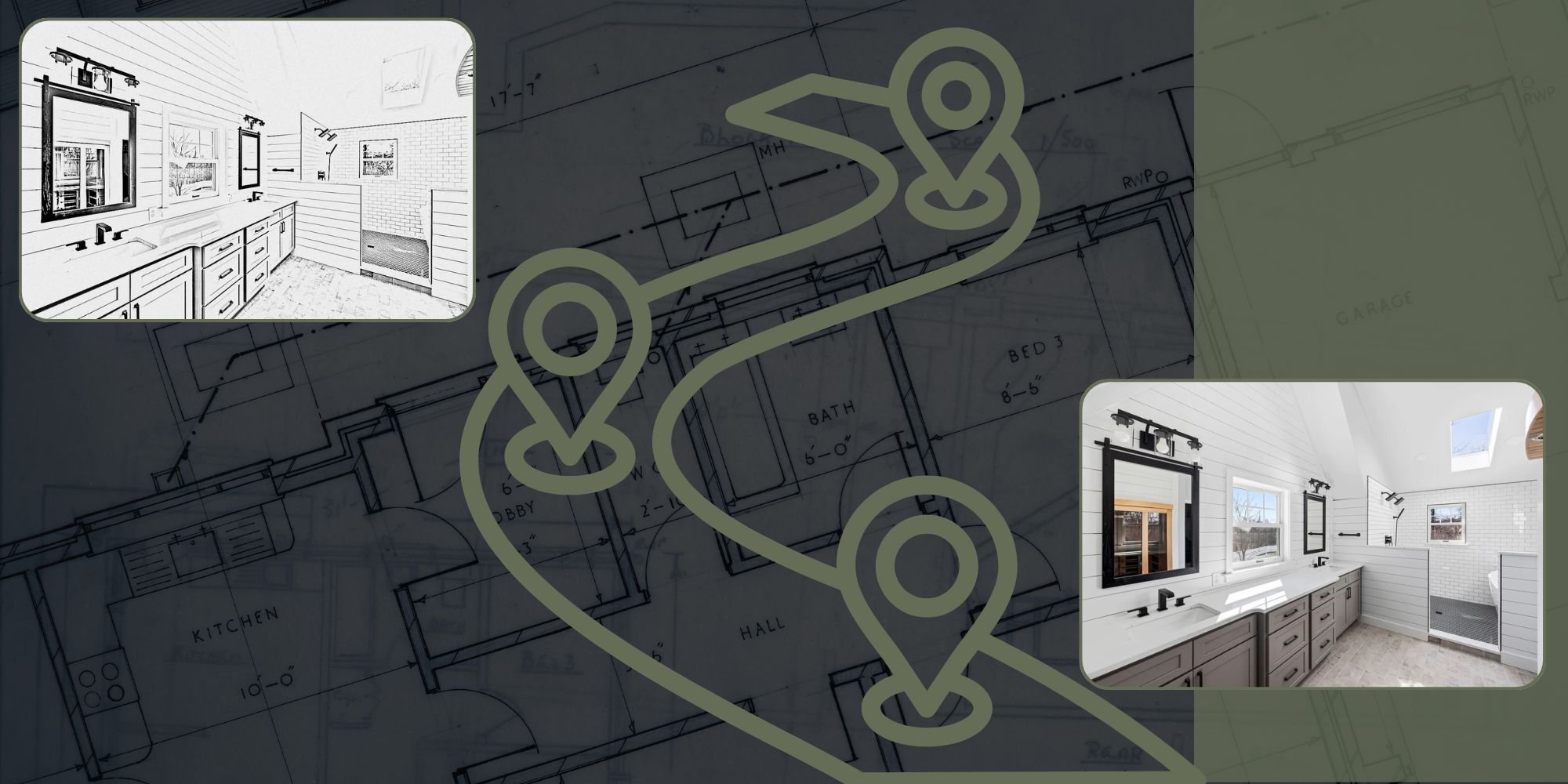
The majority of a custom home’s success happens long before construction begins, because planning is where clarity, creativity, and accurate budgeting are established. That’s why choosing a builder with a thorough, structured, and transparent pre-construction and design process is one of the most important decisions you’ll make.
What a High-Quality Pre-Construction + Design Process Should Include
1. Comprehensive Site + Feasibility Review
Before designing anything, the builder should thoroughly evaluate:
-
Site conditions
-
Topography + drainage
-
Utility access
-
Zoning + restrictions
-
Potential design challenges
2. Early Cost + Budget Clarity
Preliminary budgets should be informed, realistic, and based on trade partner input, not guesswork.
This is where a design-build company shines. Instead of broad estimates, you receive a high-level budget followed by a detailed fixed-price proposal, giving you peace of mind long before construction begins.
3. Integrated Architectural + Interior Design Support
Instead of navigating architects, designers, and builders separately, design-build integrates all creative and technical decisions into one cohesive experience.
This results in:
-
More accurate drawings
-
Better communication
-
Fewer revisions
-
Seamless alignment from design to construction
4. A Detailed Preconstruction Contract + Fixed-Price Scope
A hallmark of a professional builder is the ability to provide:
-
A fully detailed scope of work
-
Material + fixture selections
-
A comprehensive construction schedule
-
A fixed-price contract with no allowances or hidden fees
Step 3: Look for Quality Craftsmanship + Innovation
Quality craftsmanship is one of the clearest indicators of whether a builder will deliver a home that looks beautiful, makes everyday life easier, and lasts for generations. In Middle Tennessee, where moisture, heat, and seasonal shifts can stress a structure, craftsmanship and building methods matter even more.
A strong builder demonstrates three key qualities:
1. High-Quality Materials
Reliable builders choose materials that fit Tennessee’s climate and long-term performance needs. This includes durable siding, long-lasting roofing systems, and products that resist moisture and movement.
2. Excellent Construction Methods
Craftsmanship shows up in the details: clean framing, proper installation of windows and doors, thoughtful moisture management, and finishes that feel intentional rather than rushed. These details ensure the home ages well instead of requiring early repairs.
3. Innovation That Supports Quality
Today’s best builders use modern tools, like project management software, precise 3D design modeling, and improved building systems. These aren't flashy add-ons. They're ways to increase clarity, precision, and overall performance.
Step 4: Evaluate Communication + Transparency
Clear, consistent communication is one of the most important qualities to look for in a custom home builder, especially since most frustrations during a build come from poor communication rather than construction issues themselves.
You can often spot strong communicators during the consultation phase by how clearly they explain their process, how quickly they follow up, and how transparent they are about expectations, budgets, and timelines.
What Good Communication Looks Like in a Custom Home Build:
1. A Helpful Discovery Call
A professional builder starts with a conversation, not a sales pitch. The discovery call should help you feel heard, clarify your goals, and outline what the next steps look like. This sets the tone for the entire relationship.
2. Clear Timelines and Process Overviews
Homeowners should never feel unsure about what’s happening next. Builders who provide structured timelines, define each phase of the project, and explain how long decisions take are far easier to work with and more trustworthy.
3. A Client Portal for Transparency
Modern builders often use an online project management system to centralize everything:
-
Schedules
-
Selections
-
Messaging
-
Documents
-
Invoices
This reduces miscommunication and ensures everyone stays aligned from day one through completion.
4. Responsive, Reliable Communication
Quick responses signal respect and professionalism. Many top builders commit to responding to emails, messages, or questions within one business day. This level of consistency prevents small concerns from turning into larger issues.
Construction involves moving parts, like design decisions, trade schedules, material lead times, weather delays, and more. Homeowners can navigate all of this if their builder keeps them informed.
Without clear communication, even normal challenges feel overwhelming and unpredictable.
Step 5: Review Reputation, Testimonials, and Local Experience
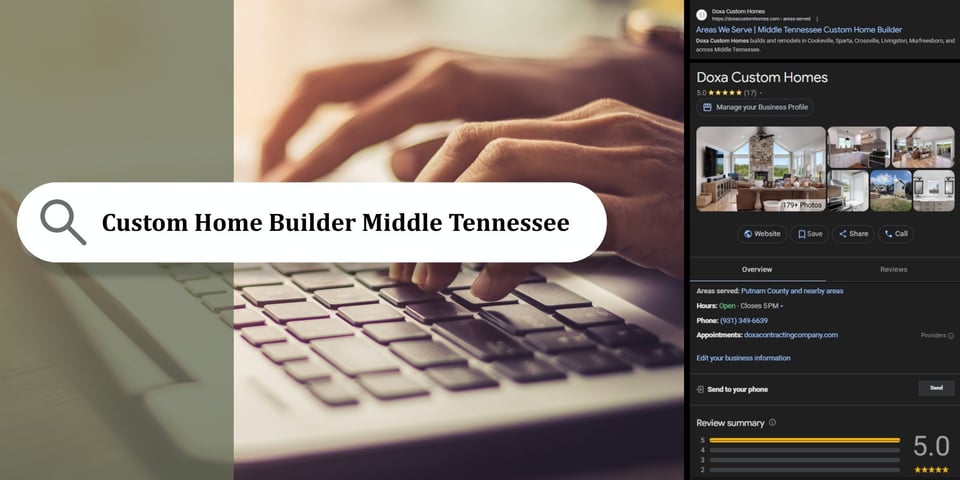
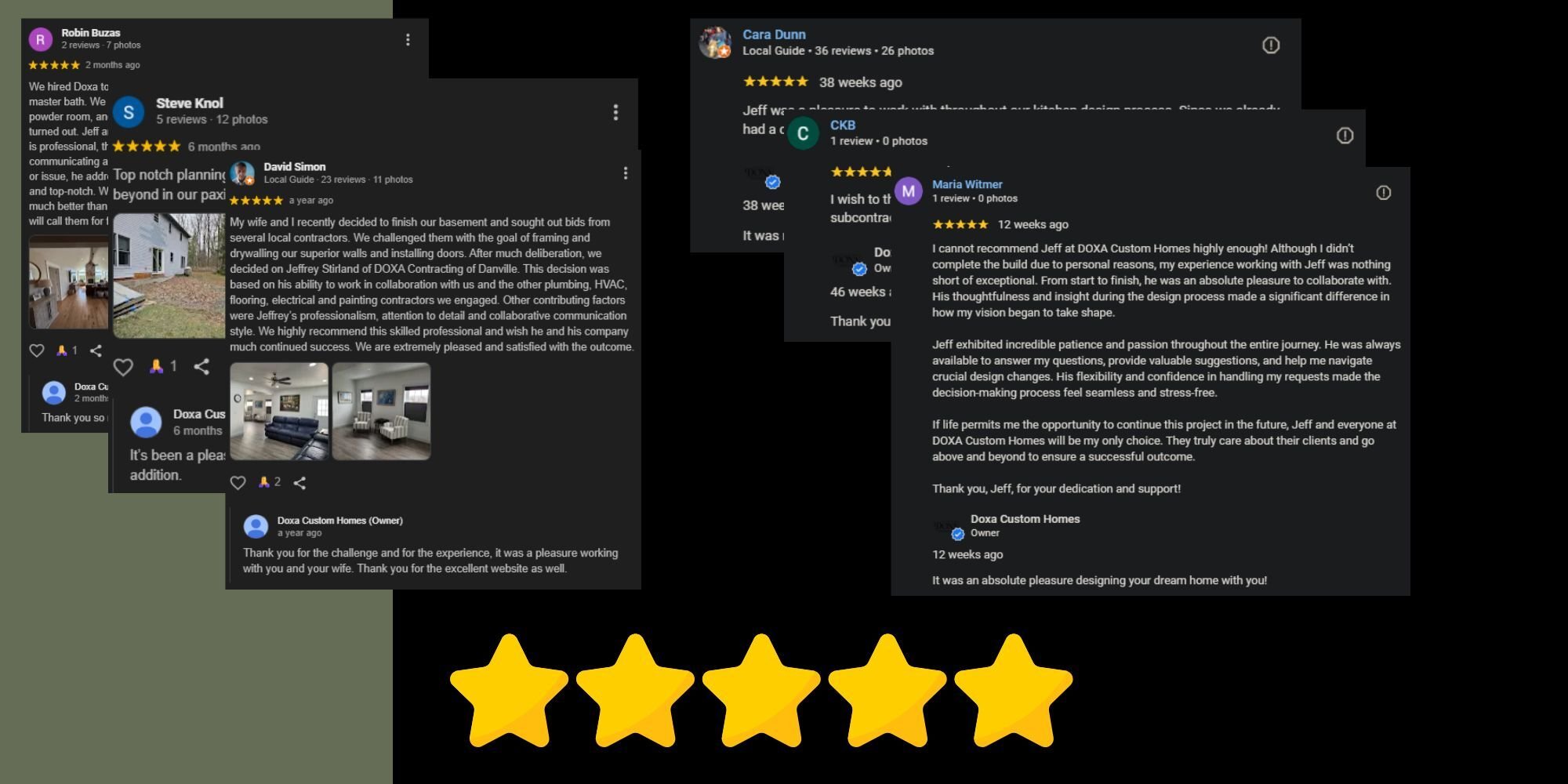
A builder’s reputation is one of the strongest indicators of what your experience will be like, because reviews and past client stories reveal whether they consistently deliver on their promises. A trustworthy builder will always have a visible, positive track record that reflects professionalism, transparency, and a commitment to excellent client service.
What to Look for When Evaluating Reputation:
1. Consistent 4–5 Star Reviews
Online reviews offer a glimpse into how a builder communicates, manages expectations, handles challenges, and treats clients.
2. Client Testimonials That Feel Authentic
Look for testimonials that mention:
-
Clear communication
-
Quality workmanship
-
Professionalism
-
A smooth process
-
Responsiveness
-
Honesty
3. A Portfolio of Completed Homes
A strong portfolio demonstrates finish quality and whether the builder has experience with the type of home you want, like size, complexity, architectural style, and level of detail.
Red Flags to Watch For
When researching a builder’s reputation, take note if you see:
-
A lack of recent reviews
-
Repeated complaints about communication or delays
-
Very small or nonexistent portfolios
-
No clear presence in the local community
-
Negative comments from trade partners or vendors
Step 6: What to Ask Before You Hire a Builder
Choosing a custom home builder is a major decision, and the questions you ask early on will inform what you can expect of your entire experience. These questions help you understand how a builder operates, how transparent they’ll be, and how well they’ll protect your investment throughout the design and construction process.
Think of this list as a quick, essential screening tool before moving forward with any builder.
Key Questions to Ask Your Builder
-
Are you the licensed general contractor on the project?
-
What insurance do you carry, and what protections does it provide?
-
How many projects are you building right now, and how often do you visit each jobsite?
-
Do you provide a client portal for schedules, selections, and communication?
-
What warranties do you offer for structure and finishes?
-
What does your project timeline typically look like?
-
How do you handle change orders, and are there fees associated with them?
-
Is your pricing fixed-price or cost-plus, and what exactly is included in the contract?
-
How often can I visit the jobsite during construction?
-
What does your design process include, and when are selections finalized?
-
How do you protect homeowners financially from unexpected costs or mistakes?
Red Flags When Choosing a Custom Home Builder in Middle Tennessee
Not all builders operate with the same level of professionalism, clarity, or care.
As you compare options, it’s important to watch for warning signs that could lead to stress, cost overruns, poor construction quality, or feeling like you're in the dark. These red flags often show up early.
Here are key warning signs to be aware of:
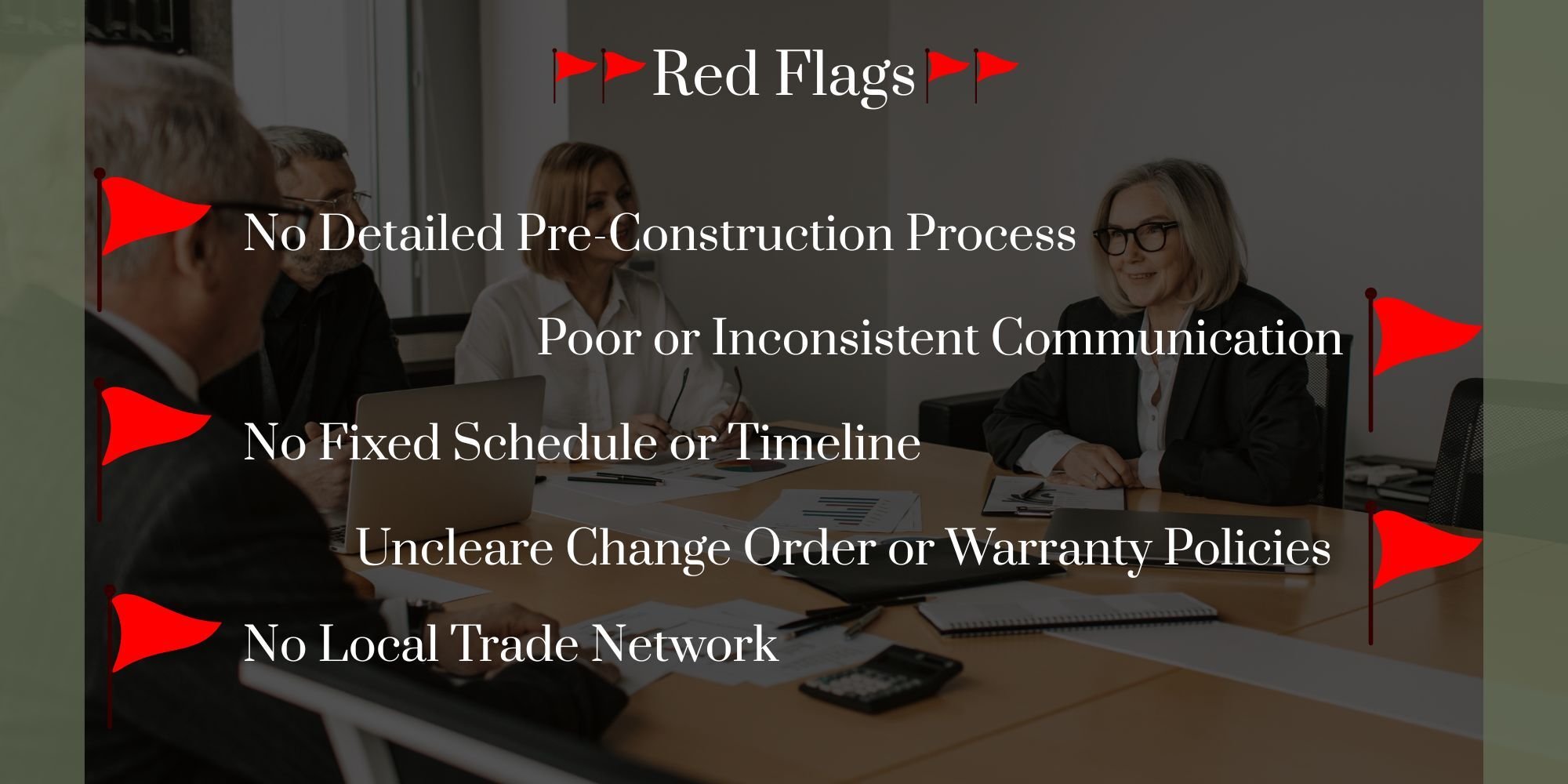
1. No Detailed Pre-Construction Process
A builder who jumps straight into “pricing” without a structured design + planning phase is relying on assumptions. Without detailed drawings, selections, and trade partner input, pricing will be inaccurate, and you’ll be exposed to surprises later.
2. Poor or Inconsistent Communication
If communication is slow or unclear before you sign a contract, it won’t magically improve once construction starts. Red flags include delayed responses, vague explanations, and no defined plan for how updates will be shared.
3. No Fixed Schedule or Timeline
Builders should be able to explain how long preconstruction takes, when building starts, and how the schedule is managed. If a builder cannot outline a general timeline or doesn’t offer access to a project schedule, they may lack the organization needed for a smooth, predictable build.
4. Unclear Change Order or Warranty Policies
Homeowners should know exactly how changes are handled, what they cost, and how warranty claims work. If a builder avoids these questions or gives inconsistent answers, that’s a major warning sign.
Undefined policies almost always lead to conflict later.
5. No Local Trade Network
A builder is only as strong as their subcontractors and suppliers. If they lack established local relationships or rely on the “lowest cost” trades rather than quality-focused partners, you may see delays, uneven craftsmanship, or cost issues.

Your Future Home Starts With the Right Team
When you partner with a builder who communicates clearly, plans thoroughly, builds with excellence, and truly listens, the entire journey becomes smoother and more enjoyable. Your dream home deserves a team that values transparency, craftsmanship, and long-term quality.
If you're ready to explore your options or start planning your own custom build, reach out to our team at Doxa Custom Homes to begin the conversation.